
Facebook makes space for more relevant posts

Social media has proven to be very influential in shaping people’s lives, affecting everything from one’s mental health to people’s views on certain political parties. To limit this, Facebook has made a decision to limit the posts from business accounts on your News Feed to make room for more meaningful posts shared by your friends and families. Potential outcome for Facebook One of the main sources of revenue for the social media giant is from its advertising program. But with the changes set to take place, there’s a high possibility that users will spend less time on its platform. This would mean comparatively less effective advertising than before, thus fewer advertisement signups from businesses. While they do admit this move may potentially hurt profitability, Facebook hopes this change will improve user experience, which in the long-run may translate into higher profits. Reason for News Feed change Users enjoy learning about what’s happening in their social circles. Whether what’s shared is as mundane as what someone recently baked, or as momentous as a wedding, every day millions of users like and comment about each other’s lives. For this reason, Facebook has decided to spotlight images and videos that are more meaningful to people on a personal level. Such posts have greater power to deepen human bonds. Weighing the pros and cons of the News Feed change However, research has found that constant use of Facebook can cause people to feel alienated and inadequate, reducing people’s overall well-being in the long run. According to the American Academy of Pediatrics, teenagers are especially liable to “Facebook depression,” as they constantly compare themselves with their peers. On the other hand, several researchers believe that an individual’s personality has a greater impact on the type of response he or she will have. If you feel your life is very fulfilling, seeing your friend or family member having fun would make you happy. By contrast, if you’re unhappy or feeling insecure with life, seeing other people’s happier moments will depress you even more. Effectiveness of change It’s still too early to tell whether this move will change society for the better and, at the same time, salvage Facebook’s reputation of being a platform that helps people connect with each other. Only time will tell. Besides Facebook, there are other online channels that can improve your business reputation. If you’re interested in building a stronger web presence, contact us today and we’ll help you get started. Published with permission from TechAdvisory.org. Source.
5 social media trends of 2018

To say that social media is a small part of our lives is an understatement. Platforms like Facebook, Instagram, Twitter, and Snapchat are now integrated into our lives like never before. But what’s next? Can social media’s involvement go any further? These upcoming trends certainly point toward it. Read on to learn more. The boom of Augmented Reality The launch of the new iPhones — both 8 and X — last September brought with it an under-the-radar change to the devices. The incorporation of a new chip provides iPhone users with extraordinary augmented reality (AR) experiences. While most conversations about AR focus on the mobile gaming experience, social media platforms will likely find a way to integrate the new technology as well. Influencer marketing Influencer marketing has proven to be the best way forward for companies to connect with younger audiences. Titanic companies such as The North Face, HubSpot and Rolex are great examples of companies which have profited heavily from social media-based influencer marketing. By contrast, companies that opted for traditional strategies struggled to connect to social media users, indicating that influencer marketing is here to stay and blossom in 2018. All eyes on Gen Z The oldest Gen Z-er is 22 years old and is only just heading into the labor market, meaning they’re going to start spending more money for sometime to come. Brands recognize this, and are aiming to shift their social media strategies to appease the newest customers on the market. Investment in platforms like Snapchat and Instagram is expected to grow exponentially this year. The growing importance of messaging platforms A recent study pointed out that over 2.5 billion people use messaging platforms like WhatsApp, Facebook Messenger and Kik to connect with companies. Rather than simply publishing marketing content to profiles and feeds, companies should focus on making it easier for customers to start one-on-one conversations. Therefore, it is more than likely that artificial intelligence, voice assistants and chatbots will all be integrated into messaging platforms for a more personalized user experience. Digital hangouts go mainstream In 2017, video content — including live broadcasts and chats platforms — was more prominent than ever, and live videos were definitely a successful part of it. This means digitally hanging out with friends and colleagues will become a social norm, as evidenced by the video hangout platform known as Houseparty, which boasts of over one million daily users. With Gen Z-ers becoming a larger part of the buying marketing, companies will utilize social media platforms to their fullest by incorporating a wide variety of targeted methods to capture their attention. These methods involve technologies that were unimaginable only a few years ago, such as virtual reality and augmented reality. Moreover, investments in optimizing messaging platforms and influencer marketing also signals the start of a newer, more interconnected era between businesses and customers. Social media marketing is the future. Get in touch with our experts for advice on how you can make 2018 your year. Call today. Published with permission from TechAdvisory.org. Source.
Facebook Messenger: What’s New?

Over 330 million consumers connected with small businesses via Facebook Messenger in 2017 alone, so it’s evident that the ‘phone call’ era is coming to a close. Since consumers now want constant, immediate online connectivity with their local car dealership, pizza joint, and other local businesses, it is only fitting that Facebook Messenger’s latest feature grants consumers even more flexibility in how they contact their local business. The How By installing a plug-in called Customer Chat, retailers can integrate Facebook Messenger with their website, letting their customer support representatives carry on conversations with clients just like they would on Facebook. Customer Chat also saves conversation histories, meaning a user can be talking to a customer representative on their website and then continue the conversation once they shift to Facebook — without having to start a new conversation. Customer Chat is now open to any business in the form of an ‘expanded public beta.’ Here’s Facebook’s guide detailing how to install Customer Chat. Facebook’s Grand Plan Like all new services, the success depends on the users. Customer Chat’s primary user base seems to be those who lack the time or confidence involved in sending a formal e-mail for a casual business inquiry. Regardless, Facebook has long been developing its platform with an eye on chat’s broader benefits to tighten its grip on businesses. A recent stat indicates Facebook Messenger has surpassed 1.3 billion monthly active users. So, What Next? As Facebook seems to be monopolizing and clamping down on the communication realm — both private and business — with Facebook Messenger and Whatsapp, the plan is clear: They want to absorb even more of the communications that usually take place over phone calls and e-mail. It is still an uncertainty if the new Messenger feature will have a large impact on Facebook’s grand plan, but it certainly won’t hurt if it ends up working. Customer Chat opens up new avenues of integration, such as sending money, making video calls or even convincing customer service reps to give you a refund. Thus making Facebook the go-to app for anything and everything. Got any questions about Facebook? Let us help you understand the technicalities. Call us today! Published with permission from TechAdvisory.org. Source.
Google reviews: how to make them count

Google has recently modified their search results to display ratings from review sites like Facebook and Yelp. While this may seem like a small change, it has actually made reviews more important than ever in terms of SEO. With the following tips, your company can shine in the Google search results. How Google changed search results Google’s new search algorithm is designed to lead people to high-quality products and services. For instance, if you search “Acme Group Inc.”, Google will show you something called a Knowledge Panel. Displayed on the right side of the search results, this panel includes information like address, hours, web address and more. Over the last year, Google has been automatically aggregating and including online reviews to display in the Knowledge Panel. Which review sites does Google include? Relevant sites vary from industry to industry, so if you manage a restaurant, reviews from Yelp or Zagat will likely be displayed next to your online listings. If your business is a bit more niche, however, there are a few steps to determine which review sites affect you. Go to Google and search for the following: “[your company name] reviews” – to locate sites that already have reviews on your business “[industry] reviews” – to determine industry review sites that you should be listed on “[industry + location] reviews” – to find review boards where you can boost your local presence Then, record all the review sites you found on the first page of each search query and categorize them based on their search ranking and the current rating your company has on them. Once you’ve produced a comprehensive list, write down an objective for each review site. This can range from getting listed on the site to improving your rating. To narrow it down even further, focus your review generating efforts on the five most popular websites on your list, especially any that include disappointing reviews. Getting reviews Of course, all this doesn’t matter if people aren’t writing reviews about your products and services. With that in mind, here are a few strategies that encourage people to rave about your business. 1. Send follow-up emails After a customer has made a purchase, it’s a good idea to send a thank you email that includes a request to review your service. 2. Simplify the review process Many customers opt to skip writing a review because there are too many steps to express their opinion. Simplify this process by having a review site already opened on your smart tablet and asking your customers to comment on your service before they leave your venue. 3. Offer rewards for reviews Another way to encourage people to rate your business is by presenting them with a chance to win free goods or services if they submit a review. Though there’s a lot of steps involved in managing your online reputation, starting early will enhance your SEO, attract new customers, and improve your bottom line. If you need more advice on climbing up Google’s search rankings or tips on social media management, contact us today. Published with permission from TechAdvisory.org. Source.
How to create a Facebook ad that sells
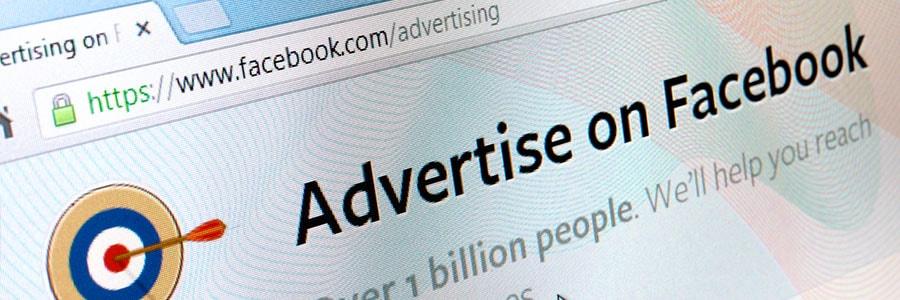
Your products and services won’t sell, no matter how exceptional they are, if no one knows of their existence. That’s how advertising comes into play. Yet for a small business with a limited budget, an advertisement can cost big. But that’s no longer the case, thanks to the cost-effective online advertising platform hosted by Facebook. Why advertise on Facebook? Above all else, the cost-effectiveness of Facebook advertising sets it apart from other marketing channels. The starting cost is as low as 1$ per day, which is ideal for SMBs that want to test small campaigns before investing more. Beyond its affordability, Facebook advertising is also extremely effective. With 2 billion monthly active users and the ability to nail down your audience to the most specific details — including their interests and online behavior — it’s no surprise that Facebook advertising had the best return on investment compared with other social media platforms according to a survey of social media marketers worldwide. Before you get started As with other traditional marketing campaigns, before beginning a campaign, you need to determine your marketing objectives, audience, budget, and how you want your ads to look. Once you have the answers to all those questions, you’re ready to go. A step-by-step guide to creating a Facebook ad: 1. Choose your marketing objective From your your business’s profile page, click on “Create Ads” from the dropdown menu in the top right corner. Enter your campaign name and choose your “marketing objective,” which is what you want people to do when they see your ads. It could be increased brand awareness, lead generation, or store visits. You can pick only one from three categories. Set up your advert account by selecting your account country, currency, and time zone. 2. Nail down your audience You can tailor your audience based on locations, ages, genders, languages, their interests and behavior, and the kind of relationship they already have with your page, app, or website. It’s best to be as specific as possible when selecting your audience. Set up your budget and posting schedule Facebook allows you to set up a daily or a lifetime budget. The latter is the maximum amount you plan to spend for an entire ad campaign. Then choose the frequency or the start and end dates in which your ads will appear. Design how your ads will look You can choose how your ad posts will look like to your audience, such as whether they will appear as an image carousel, a single image, a video, a slideshow, or a “collection” (a new ad format designed especially for Facebook mobile). Note that your ad will consist of five parts: an image, a headline, a block of text, a link description, and a call to action button. Tips on designing facebook ads that grab people’s attention Your ads will appear in people’s newsfeeds, so make sure your content is interesting and succinct enough to grab their attention as they scroll past it. Each component of your ad — the image, headline, link description and call to action — must stand out when surrounded by vacation photos that rarely receive more than a few seconds of attention. Creating a Facebook ad is simple, yet the beauty of it is that Facebook also allows for more advanced targeted advertising if you know how to take advantage of what the platform has to offer. Talk to our specialists today; they’ll be happy to share a few pointers on how to help you achieve optimal results from your campaigns. Published with permission from TechAdvisory.org. Source.
Facebook faces devious adware
When you receive an email from an unfamiliar source urging you to click on a link or download a file, it’s easy to send it straight to the bin due to its spam-like nature. It’s a completely different story when the message is sent via Facebook Messenger by one of your friends. Such is the case with the latest social engineering scheme, and here’s what you need to know to stay safe. What is it? Little is known about the adware itself or those behind it, but it was uncovered by David Jacoby, senior security researcher at Kaspersky Lab, when he received a Facebook message from one of his friends, only to find out that wasn’t the case. Basically, the adware uses Facebook Messenger to track your browser activity and pushes you to click on malicious ads or give out personal information. How does it work? By clickjacking and hijacking credentials of Facebook users, the adware is able to send messages to people in the victim’s contact list. If you’re one of those people, you’ll receive a phony message from your friend’s compromised Facebook account. The message includes your friend’s name followed by the word “Video,” a shocked face emoji, and a shortened URL. Once clicked, the URL will redirect you to a Google Doc with a blurred photo taken from your friend’s Facebook page, disguised as a video. If you click on the “video”, you’ll be redirected to one of a number of targeted websites based on your browser, operating system, and location. For instance, if you use Google Chrome, you’ll be sent to a website that looks exactly like YouTube, complete with the official logo. The hoax website will show you a fake error message to trick you into downloading a malicious Chrome extension. If you’re on Firefox, you’ll be sent to a site with a false Flash Player update notice and a Windows adware executable; the same goes with OS X except the adware is hidden in a .dmg file. The goal here is to move your browser through a set of websites so tracking cookies can monitor your activity and display malicious ads or you can be “social engineered” to give up confidential information. How do you avoid falling victim? Facebook has rolled out a number of automated systems to stop harmful links and files. What’s more, they will provide you with a free antivirus scan if they suspect that your account has been compromised by adware. Still, you should be very skeptical about any shortened URL links sent to you by your Facebook friends, no matter how long you’ve been friends. Due to their low key nature as potential security endpoints, cyber criminals are turning to social media platforms as their new medium of choice. To keep your business safe, you need to stay up-to-date and educate your employees. If you have any other questions about social media and how it can impact your business, just give us a call. Published with permission from TechAdvisory.org. Source.
How to create engaging content
With 4.75 billion pieces of content shared on Facebook and 500 million tweets shared every day, harnessing crucial social media data is becoming an increasingly monumental task. Businesses need to leverage social media in order to deliver relevant and personalized content to customers. You can make it happen by taking these four steps: Identify what’s trending on social media From global events like the WannaCry and Petya ransomware attacks to the Super Bowl halftime show that took the internet by storm, content marketers need to know what consumers are talking about on social media. For example, when Steve Harvey read the wrong name at Miss Universe in 2016, Burger King wasted no time tweeting a picture with the caption: “At BK, everyone gets to keep their crown.” This clever and timely message resulted in almost 100,000 retweets, likes, and replies. Knowing what’s trending helps marketers fine-tune content to ensure better engagement and higher conversion rates. And it can even help establish relevance in larger conversations and engage new groups of potential customers. Understand what’s happening locally and globally Content marketers should stay on top of what’s happening on both a global and local scale, and then share what they’ve learned with their teams. For instance, children’s clothing companies can combine the latest trend with the back-to-school season to attract more students and parents. Leverage user-generated content According to a recent Bazaarvoice report, shoppers who interact with consumer-generated content are 97 percent more likely to make a purchase than shoppers who don’t. Customer-generated content helps drive awareness among non-customers who may be persuaded by positive and authentic customers’ experience. Social data derived from user-generated content also helps marketers address content pain points. Incorporate social data into your marketing strategy Put the social media data you’ve gathered to good use by integrating them into your current marketing strategy. They immediately provide a better understanding of the customer and highlight the type of content audiences are currently engaging with. This can be used to help develop and execute better content and marketing campaigns. Social media has changed the way small- and medium-sized businesses operate. In order to get ahead of your competitors, it’s imperative that you understand how to leverage it to your business’s advantage. Feel free to contact us about what we can do to help. Published with permission from TechAdvisory.org. Source.
Four Facebook features for your business
Facebook has numerous built-in features to help small- and medium-sized businesses thrive. But chances are that most business owners are taking advantage of only just a few. With Facebook’s audience reaching 1.8 billion users monthly, it’s vital for your business to leverage the right tools to enhance growth. Here are four features you should start using right away: Audience Insights tool This free tool is designed to help businesses learn more about their target audience. Audience Insights takes the guesswork out of identifying your customers by providing data such as geography, purchasing patterns, and even the Facebook pages they like. You can also use your existing customer database, Facebook page, or email list to learn more about your clients. Audience Insights help save a lot of time and money by determining whom you should advertise to. Facebook Product Shops This allows you to sell your products directly from your Facebook page. After following these instructions, you can set up your product shop in just a few clicks. You can choose whether you want buyers to purchase directly on Facebook or whether you want buyers to complete checkout on your website. Consider running ads using the data gathered from the Audience Insights tool to target ideal customers and increase sales. New Facebook Ads Facebook’s advertising platform offers endless combinations to create the perfect ad. It features numerous placement options that go beyond the traditional newsfeed. There are two new ad destinations that could help you reach new audiences: Facebook Messenger ads – deliver a highly personalized experience by providing an opportunity for you to chat with prospective customers. You can answer questions or schedule appointments from the Messenger app. In-stream video ads – despite being relatively new, this prime advertising space allows businesses to deliver 5-15 second mid-roll video ads within live and non-live videos on Facebook. Facebook Live marketing Due to its rising popularity, businesses are looking for ways to incorporate Facebook Live into their social media marketing strategies. Here are a couple of tips to optimize Facebook Live usage: Livestream pre-scheduling – this tool creates and pre-schedules Facebook Live streams, thereby boosting anticipation for your videos and prompting viewers to mark their calendars if they want to tune in. Merge it with your Product Shop – this feature can be used on your Facebook page only if you’ve set up your Product Shop. When you mention your products in a livestream, you’ll be able to tag your products in the video, allowing viewers to access your Product Shop directly from the video. In order to surpass your competitors, you’ll need to not only establish a strong online presence but also know how to leverage Facebook to your business’s advantage. If you’re interested in adopting a social media marketing strategy, feel free to give us a call or send us an email! Published with permission from TechAdvisory.org. Source.
Marketing your SMB with Pinterest
Last October, Pinterest launched its first paid advertising service, “Promoted Pins,” which is geared toward large enterprises. Recently, a similar product named “DIY Promoted Pins” was released for small- and medium-sized businesses. This shows how popular social media has become in helping to establish an online presence for your business, and here are some tips to get you started. Know your audience According to a study conducted by Ahalogy and AcuPOLL Precision Research, Inc., Pinterest is largely used by women, mostly “Millennial Moms.” If your typical customer demographic is predominantly male, your marketing efforts would probably be better spent elsewhere. But if your business caters to women between the ages 15-29, you should consider creating an online presence on Pinterest. Think like a content marketer Users are looking for engaging content, which is why 59% of active Pinterest users go for Pins that lead to blog posts, articles, and even photos. The most popular topics on the platform are more visual (e.g., food, fashion, decor, etc.), so if you don’t have highly visual content, then infographics, images from blog entries, and even photos of staff members also do the trick. Look for inspiration Getting stuck in a creative rut happens to the best of us, so check out the boards that are saving your Pins to get some fresh insight. There’s a good chance that people saving your Pins have related content that can help you gain insight into what your typical customer is interested in. Not only that, it also helps you identify trends and come up with new ideas for a marketing campaign. Categorize your boards By creating and properly labeling multiple boards — one for each of your products or services — your users are able to engage not only with your general content but also with content they’re more interested in. Determine posting frequency Excessive pinning might overwhelm or simply annoy your audience, but not pinning enough might cause followers to lose interest. Create a posting schedule and gauge audience reaction before making any changes to the frequency of Pins. In order to surpass the stiff competition, you’ll need all the help you can get, and that includes social media marketing. If you have any questions about Pinterest and how it can help your business grow, don’t hesitate to give us a call. Published with permission from TechAdvisory.org. Source.
Make your SMB stand out on social media

To truly make an impression on consumers, small- and medium-sized businesses are pulling out all the stops. Standing out from your competitors could increase your chances of earning revenue. Many SMBs are now turning to social media and content marketing strategies to gain a competitive edge. Stay one step ahead of the rest with these tips: Come up with and implement a media crisis management plan It’s normal for businesses to go through a crisis or two. Avoid embarrassing public relations nightmares by having a social media crisis management plan in place and ready for implementation. Create buyer personas Social media data is a great tool to gather information about your potential customers, and in doing so, create buyer personas. Buyer personas are comprised of generalized characters that help build an ideal picture of your business in the market. Key demographic information includes age, location, and even reasons for buying and product-related concerns. Track the impact of your content marketing When it comes to content marketing efforts like blogging and social media, it’s essential to have a system to measure results. You can measure how these efforts impact your brand awareness by using metrics such as social media reach, brand mentions, media mentions, and branded searches. Integrate user-generated content on social media Businesses can utilize social media as a way to interact with consumers. This includes sharing some of their content on your own channels. Not only are user-generated content more cost-efficient, they also shorten the customer’s path to purchase. Use Hootsuite to manage Twitter chats A Twitter Chat happens when you use Twitter to talk about a common interest with others during a preset time. It’s like an online chatroom where you add to the discussion by tweeting. Efficiently managing tweets and responses is integral. Fortunately, applications like Hootsuite simplifies the whole process. It easily monitors, searches, and saves Twitter Chats onto the Hootsuite dashboard for future reference. Create better live broadcasts Livestreaming on social media platforms such as Facebook, Periscope, and Instagram is quickly gaining popularity. Before starting a livestream for your business, take time out to practice and prepare an outline before you roll the cameras. Don’t forget to promote it prior to the broadcast, and make sure you come up with a short and catchy video description. All small- and medium-sized businesses are fighting for the same thing: the consumer’s attention. Business owners can’t afford to just blend into the background; if you don’t make a good, lasting impression, you might lose out on an opportunity to make money. And if you’re relying on social media and content marketing strategies to help you, make sure you are doing it right. If you have further questions, feel free to contact us! Published with permission from TechAdvisory.org. Source.